By Jeremy Gilbert, Director of Engineering, Seneca Resources
Advanced manufacturing doesn’t look like it did ten years ago.
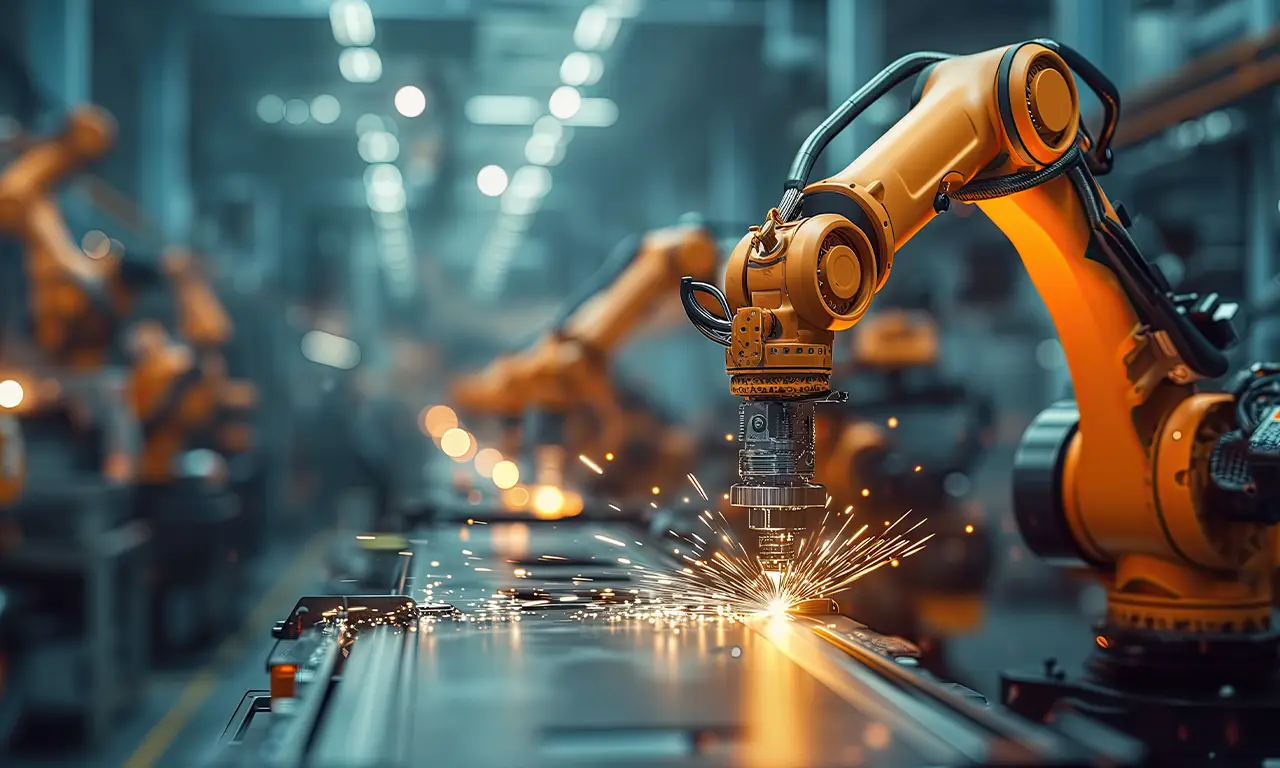
Today’s facilities are built around robotics, programmable controls, touchscreen interfaces, automated logistics systems, and data-driven production environments. Whether launching a new plant, expanding a distribution center, or recovering from a production disruption, companies are discovering that traditional hiring models no longer align with how modern facilities operate.
The challenge isn’t just finding engineers. It’s finding the right blend of technical expertise to bring complex systems online and keep them running.
Automation Has Changed What “Manufacturing Talent” Means
In highly automated environments, the lines between mechanical, electrical, and software disciplines are increasingly blurred.
Facilities now rely on professionals who understand:
- robotics and motion systems
- PLC programming and controls integration
- automated quality systems
- digital interfaces and operational dashboards
- maintenance strategies for smart equipment
These roles are often referred to as multi-craft technicians, controls engineers, or commissioning specialists: professionals responsible not just for building systems, but ensuring they operate as designed once production begins.
For many organizations, this hybrid skillset is the hardest to find.
The Rise of Commissioning and Operational Readiness
As companies invest in advanced manufacturing and automated logistics environments, commissioning has become one of the most critical phases of a project lifecycle.
Commissioning engineers help bridge the gap between installation and production by:
- validating automation workflows
- troubleshooting integration issues
- optimizing equipment performance
- supporting production ramp-up
Without this expertise, even well-designed facilities can struggle to reach full capacity.
Organizations launching new plants or standing up highly automated warehouses often underestimate how complex this phase can be especially when robotics, sensors, and digital systems must work together seamlessly.
Why Traditional Hiring Models Fall Short
Many companies still approach advanced manufacturing staffing as if they were building a conventional production workforce. But automation changes the equation.
Instead of hiring for volume, organizations need specialists who can:
- diagnose complex system interactions
- adapt to rapidly evolving technology
- support both engineering teams and operations leaders
This creates a unique hiring challenge:
The most qualified candidates are rarely actively searching for new roles, and the technical depth required makes keyword-based recruiting ineffective.
Companies that succeed in advanced manufacturing environments often rely on partners who understand both engineering operations and the realities of modern production ecosystems.
Lessons from the Automotive Industry
The importance of specialized engineering deployment becomes especially clear during production challenges.
When a major automotive manufacturer faced a large-scale quality crisis that placed tens of thousands of vehicles on hold, restoring production required more than additional labor. It required a structured engineering response: specialists who could validate repairs, integrate into existing systems, and maintain strict quality benchmarks throughout the process.
The initiative ultimately restored production capacity and demonstrated how rapid engineering mobilization can stabilize complex manufacturing environments when speed and precision matter most.
A New Talent Strategy for Advanced Manufacturing
As automation expands across manufacturing and logistics, the definition of engineering support is evolving.
Organizations preparing for plant launches, automation upgrades, or production recovery should consider:
- integrating commissioning expertise early in the project lifecycle
- building flexible engineering teams that scale with demand
- prioritizing hybrid technical skillsets over traditional role definitions
- aligning staffing strategy with operational milestones, not just headcount targets
Advanced manufacturing is no longer just about equipment. It’s about the people who bring systems to life.
Moving Forward
The next generation of manufacturing and logistics facilities will rely on highly specialized engineering talent capable of navigating automation, digital integration, and rapid operational change.
For organizations willing to rethink how they approach engineering staffing, the opportunity isn’t just to fill roles; it’s to accelerate innovation, reduce risk, and bring modern facilities online with confidence.